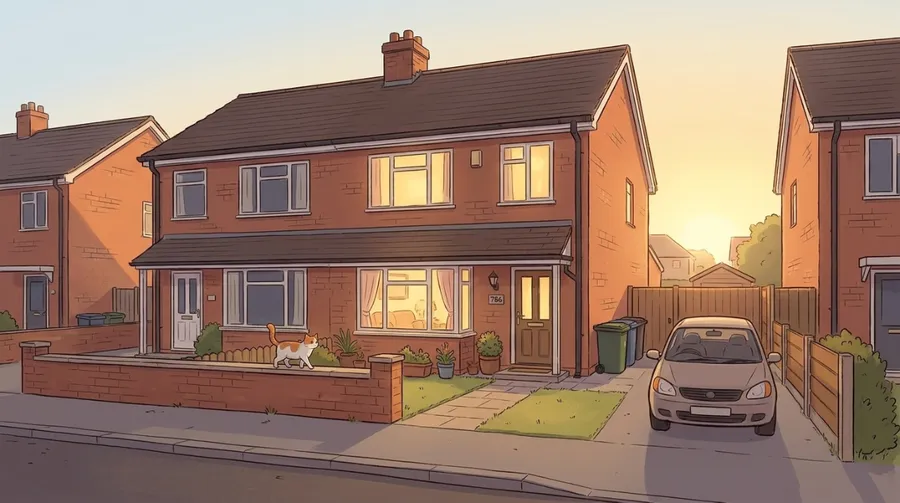
Meet the short-form animated sitcom about the Alis, a British Desi Muslim family on Barakah Close, where tiny everyday moments turn into full family emergencies.
Welcome to House No. 786, a short-form animated sitcom about family, chaos, culture, faith, food, arguments, love, and the kind of household drama that somehow starts with one normal sentence.
For the Ali family, these are not small questions. These are events.
Set on Barakah Close, House No. 786 follows a British Desi Muslim family trying to survive everyday life under one roof. It is warm, fast, character-led comedy about the tiny moments that feel strangely familiar: the remote going missing, the house going into emergency mode before visitors arrive, someone being sent to the halal butcher without enough instructions, or a parent saying "inshallah" when everyone already knows the answer is probably no.
It is not about perfect people. It is about a familiar family.
At the centre of the show is the Ali family home: No. 786. It is the kind of house where someone is always shouting from another room, someone is always "literally about to" do a chore, and someone is always making a situation worse while trying to help.
The front room is where family meetings happen even when nobody agreed to a meeting. The kitchen is where emotional damage is repaired with tea and food. The hallway is where people are caught trying to leave without being noticed. The sofa belongs to whoever gets there first, unless Biscuit the cat has already claimed it.
Every corner of the house has its own politics.
House No. 786 is built around the Ali family, each with their own way of turning daily life into comedy.
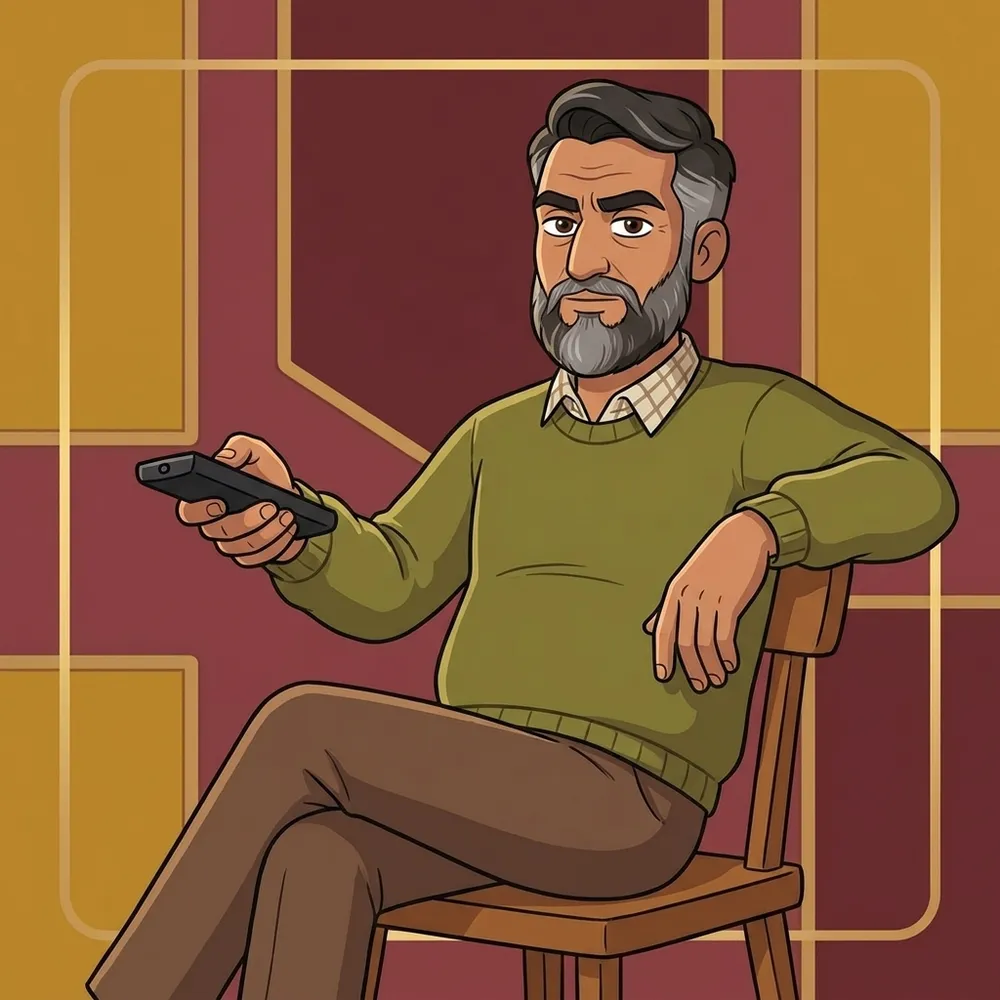
Imran Ali is the dad: practical, proud, careful with money and deeply committed to common sense, especially when nobody asked for a lecture. He means well, but almost every small problem becomes a life lesson.

Sadia Parveen is the mum and the true operating system of the house. She knows where everything is, who is lying, who has not done their job, and when guests are coming before anyone else has emotionally prepared.
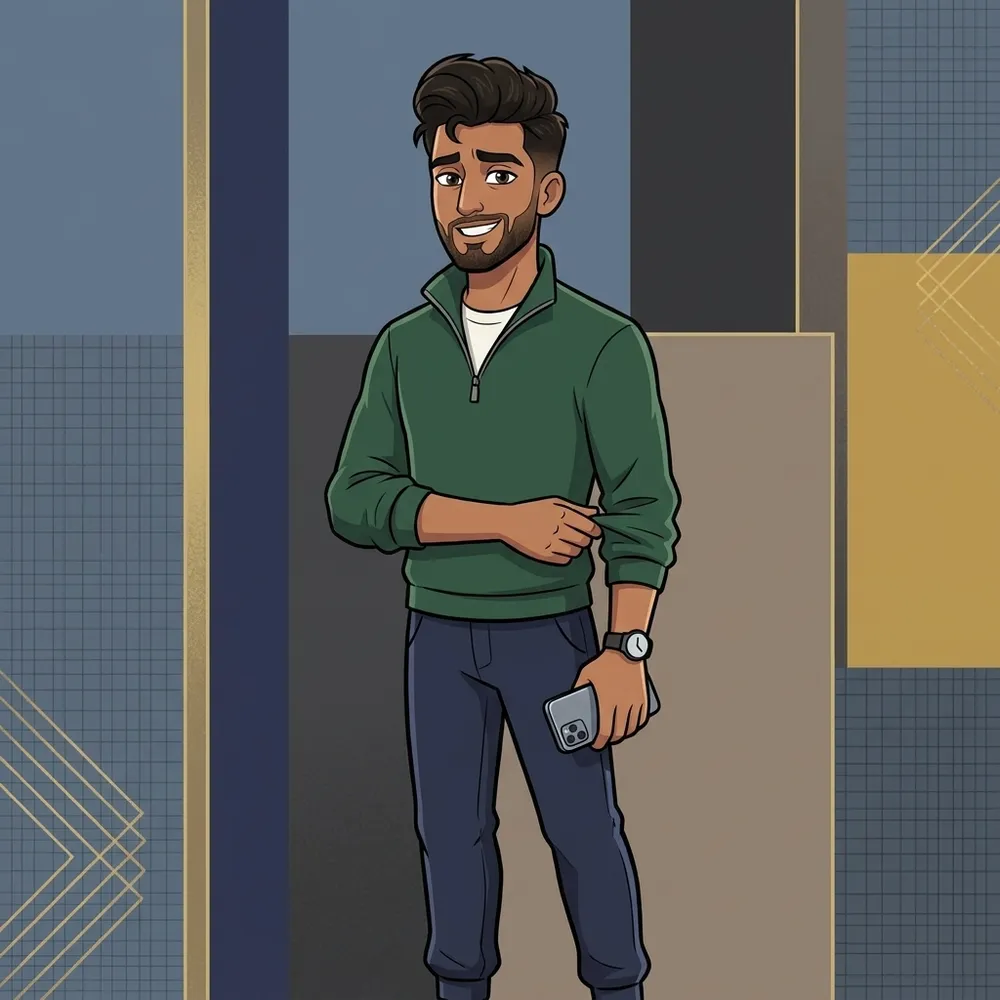
Ayaan Ali is the older son, twenty-four, trying very hard to be seen as grown and responsible. He is in his provider era, spiritually ready for adulthood, and still somehow unprepared for basic follow-up questions at the butcher.

Aaliyah Ali is sharp, observant and usually the first person to point out when the family is confusing Islam, culture, habit and "what will people say." She is not arguing. She is clarifying.

Rayyan Ali is the younger son, fifteen, terminally online and dangerously honest. He knows every meme, every family secret and exactly when to expose someone at the worst possible moment.
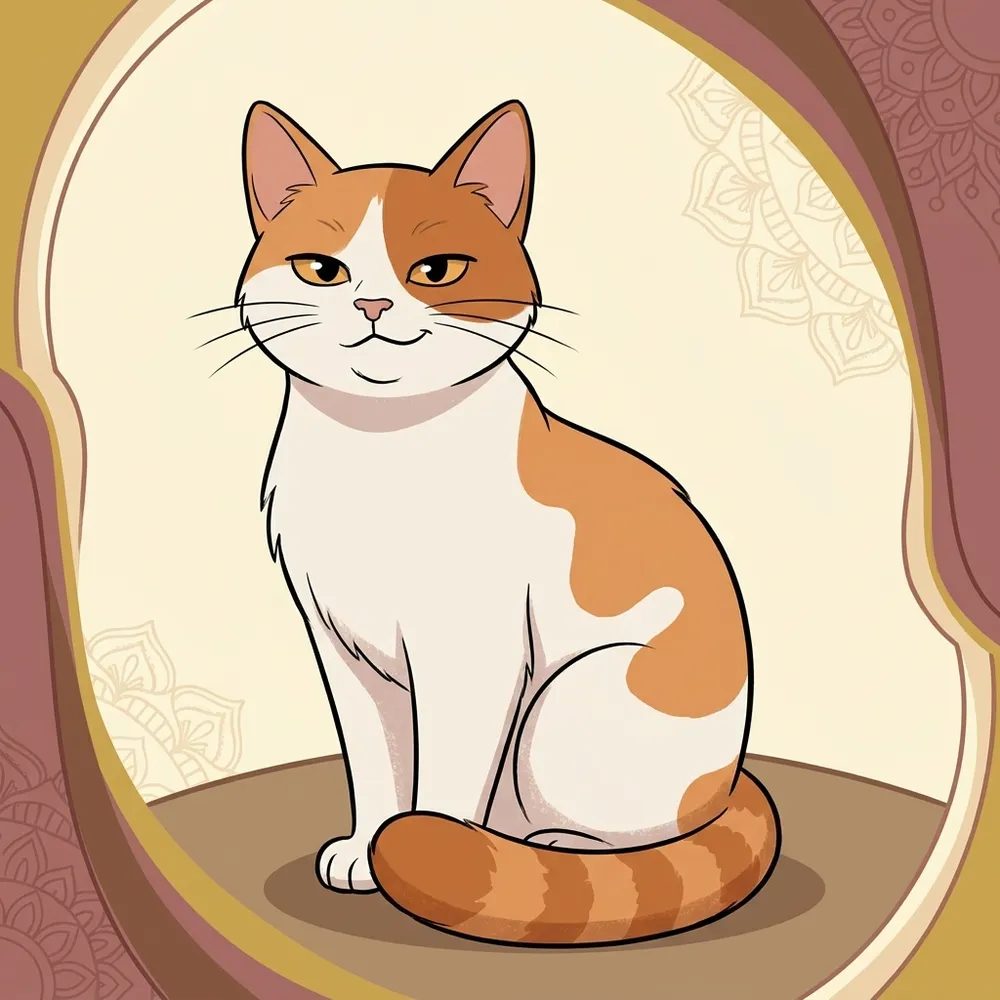
Biscuit is the family cat. Biscuit does not care about family drama, guest panic or anyone's personal growth. Biscuit simply judges everyone and sits where it should not.

Then there is Sameer "Cuzzy" Mahmood, the recurring cousin who does not live at No. 786 but appears whenever there is food, drama, parking or an opportunity to say, "I know a guy."
The show does not stop inside the house. Outside No. 786 is Barakah Close, the street the family calls home. It is warm, local and full of everyday community life: neighbours, parked cars, familiar faces, small arguments, and the kind of gossip that somehow travels faster than WiFi.
Nearby is Chai Street, the local strip where errands become episodes. There is the corner shop, the halal butcher, the takeaway, the dessert spot, and all the places where someone from the family can run into exactly the person they were trying to avoid.
There is also Barakah Park, where casual walks, cricket games, awkward conversations and community run-ins can turn into their own stories.
Together, these places make House No. 786 feel like a real little world: a home, a street, a neighbourhood, and a community where everyone somehow knows everyone's business.
House No. 786 is proudly rooted in a British Desi Muslim household. That means the show has the details: the guest panic, the halal butcher run, the chai, the WhatsApp messages, the auntie network, the "log kya kahenge" energy, the culture-vs-deen debates, the family reputation speeches, the Ramadan chaos, the Eid build-up, the mosque parking, and the everyday phrases that everyone in the house understands differently.
But the heart of the show is universal. Every family has someone who overreacts. Someone who avoids chores. Someone who knows everything. Someone who thinks they are right. Someone who is usually right but says it in the most annoying way possible. Someone who walks into the room at exactly the wrong time.
House No. 786 is about that feeling of watching a scene and thinking:
"That is literally my house."
House No. 786 is designed as a short-form animated sitcom, made for quick clips, character moments and repeatable everyday comedy.
The episodes are short, punchy and built around situations people instantly recognise. One small setup. One family misunderstanding. One scene that keeps escalating. One visual ending that makes the joke land.
The style is warm, colourful and expressive, with a clean animated sitcom feel. The characters are exaggerated enough to be funny, but grounded enough to feel like people you know.
The goal is not to make the family look ridiculous. The goal is to make them feel real. Funny, flawed, loud, loving and familiar.
House No. 786 exists because these stories are everywhere, but they are not always shown with warmth, humour and familiarity.
British Desi Muslim families have a whole world of comedy sitting inside ordinary life. The way people talk. The way parents explain things. The way siblings expose each other. The way culture, faith, food, family and community all overlap in one living room.
The show takes those tiny details and turns them into animated sitcom moments.
Just funny, character-led stories from a house that feels lived in.
At its heart, House No. 786 is about family.
A family that argues loudly, loves deeply, overreacts quickly, eats together, judges each other, defends each other, exposes each other and still somehow ends up in the same room.
Because at House No. 786, nothing stays small for long.